Citadel of Saladin and Mohammed Ali Mosque in Cairo
The Citadel of Saladin is one of Cairo’s most important Islamic landmarks and one of the city’s most visited historical sites. Construction began in 1176 under Sultan Salah al-Din (Saladin) to protect Cairo from Crusader attacks, and the fortress later served as Egypt’s seat of government for nearly 700 years.
Today, visitors come to admire the iconic Mohammed Ali Mosque, explore museums, and enjoy panoramic views stretching across the Egyptian capital. Combining military history, Islamic architecture, and cultural heritage, the Citadel remains an essential stop on any Cairo itinerary.


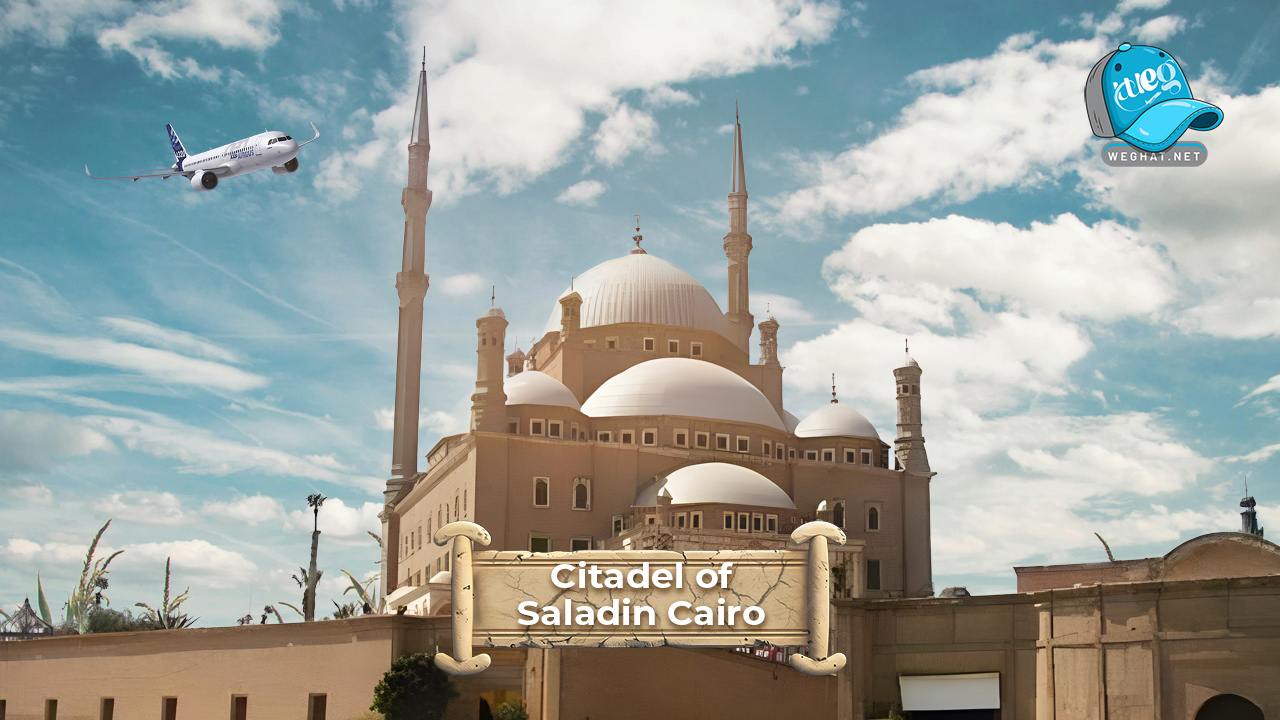
Table of contents
Beginning of the Construction of the Citadel of Saladin
The construction of the Citadel of Saladin began in 1176 AD, following Saladin’s successful conquests in Egypt and his acquisition of power. He sought to fortify the city against potential Crusader invasions and other external threats.
The primary goal of building the citadel was to provide a strong defensive fortress that could protect Cairo from any external danger, as well as serve as a headquarters for governance and the administration of state affairs.
Saladin carefully selected the location for the citadel, positioning it atop the Mokattam Hill, which offered a strategic vantage point for overseeing the entire city and the Nile River. It was important for the citadel to be well-fortified, enabling the defending forces to repel any attempts of invasion.
Design of the Citadel of Saladin: Architectural and Engineering Features
The architectural design of the Citadel of Saladin is influenced by Islamic and military architectural styles prevalent during the medieval era. The citadel was built using limestone and is surrounded by massive walls reinforced with defensive towers. Several gates were constructed to control entry and exit, the most famous being the Azab Gate and the Mokattam Gate.
One of the prominent features of the citadel’s design is its fortifications and defensive towers, which provided important vantage points allowing soldiers to monitor military movements from afar. Additionally, the citadel was designed to include large open spaces and fields designated for military training and troop parades.
Mohammed Ali Mosque
Inside the walls of the Citadel of Saladin stands the Mohammed Ali Mosque, one of Cairo’s most important Islamic landmarks. The mosque was built between 1830 and 1848 under the orders of Muhammad Ali Pasha, the ruler of Egypt and the founder of the Ali family dynasty.
The mosque was constructed in a style inspired by classical Ottoman architecture, particularly the Sultan Ahmed Mosque, known as the Blue Mosque in Istanbul.
The mosque features a large central dome surrounded by four smaller domes, and is characterized by its tall, slender minarets that rise towards the sky. The interior design of the mosque is stunning, with intricate Islamic carvings, decorations, and massive chandeliers that add an air of grandeur and majesty.
The Mohammed Ali Mosque represents a symbol of Ottoman architectural art, which greatly influenced Egyptian architecture. It is a popular destination for both local and international visitors who come to admire its beauty and engineering.
Historical Significance
In addition to being a defensive fortress in the heart of Cairo, the Citadel of Saladin played an important role in Egypt’s political history. From its establishment until the 19th century, the citadel served as the seat of power in Egypt, where the ruling family lived and managed the affairs of the country.
The citadel underwent changes and additions throughout the ages. During the Mamluk era, the citadel was expanded and its fortifications were strengthened by the Mamluk sultans, who used it as their administrative center. Many significant buildings were constructed inside the citadel during this period, such as the Jewel Palace and the Mosque of Al-Nasir Muhammad.
The citadel also served as a center for managing military campaigns, both against the Crusader invasions and other foreign attacks. Due to its strategic location, the citadel functioned as an important military base that ensured the defense of Cairo and Egypt as a whole.
The Interior of the Citadel of Saladin
In addition to the Muhammad Ali Mosque, the Citadel of Saladin houses several other historic buildings that were used as administrative or residential quarters. These buildings include:
The Jewel Palace
The Jewel Palace was built during the reign of Muhammad Ali Pasha and was used to receive guests and host official events. The palace is distinguished by its magnificent interior design, adorned with Islamic decorations and intricate carvings. It stands as a testament to the period of Ottoman rule in Egypt.
The Mosque of Al-Nasir Muhammad ibn Qalawun
This mosque was built during the reign of Sultan Al-Nasir Muhammad ibn Qalawun in the Mamluk era. It features a relatively simple design compared to the Muhammad Ali Mosque, but it showcases the beauty of Islamic architecture from that period. The mosque is an integral part of the religious and spiritual history of the citadel.
Museums Inside the Citadel
The citadel today hosts several museums that showcase various aspects of Egyptian history. Among the most important of these museums are the Royal Vehicles Museum and the Military Museum, which display the history of the Egyptian army from ancient times to the modern era.
The Citadel’s Role in Contemporary Tourism
Over the centuries, the Citadel of Saladin has undergone many changes and transformations. After the end of the rule of the Ali family in Egypt, the political significance of the citadel declined, but it remained an important historical site.
In the 20th century, the Egyptian government began to focus on the citadel as an archaeological and cultural site, initiating restoration efforts and rehabilitating the buildings to welcome visitors.
Today, the citadel is one of the most important and famous tourist attractions in Cairo and Egypt as a whole. It is not just an ancient archaeological site, but a cultural and tourist destination that allows visitors to explore Egyptian history through the various landmarks within it.
Its beauty and rich history attract visitors from all over the world, making it a place for relaxation and enjoyment of the stunning views of the city.
Where is the Citadel of Saladin Located?
The Citadel is located in Salah El-Din Square, in the Abageya area, in the Khalifa district of Cairo.
Citadel Opening Hours
The Citadel is open daily from 8:00 AM to 4:30 PM.
Conclusion
The Citadel of Saladin remains a testament to a significant period in Egyptian history, blending military strength with cultural and architectural development. With its unique location and distinctive engineering design, the Citadel remains one of the most important landmarks that tell the stories of both ancient and modern Cairo.
Whether you’re interested in history, art, or architecture, visiting the Citadel of Saladin is an enriching and unforgettable experience, reflecting the grandeur and power of the past.
Now that you’ve learned the key information about the Citadel of Saladin in Cairo, you can explore more tourist places in Cairo.
You can also check out the most famous tourist places in Egypt.
To visit our official Facebook page.
Frequently Asked Questions
What is the Citadel of Saladin?
The Citadel of Saladin is a medieval Islamic fortress in Cairo built by Sultan Salah al-Din (Saladin) in 1176 to defend the city against Crusader attacks.
Why is the Citadel of Saladin important?
The Citadel played a major political and military role in Egyptian history and served as the seat of government from the Ayyubid period until the 19th century.
How old is the Citadel of Saladin?
Construction began in 1176 CE during the reign of Sultan Salah al-Din, making the Citadel more than 850 years old.
What museums are inside the Citadel?
Visitors can explore several museums, including the Military Museum, Police Museum, and carriage collections, alongside historic mosques and palaces.
What are the Citadel of Saladin opening hours?
The Citadel is open daily from 8:00 AM to 4:30 PM.