Abdeen Palace Museum: A Visitor’s Guide to Egypt’s Royal Past
Abdeen Palace is a 19th-century royal palace in central Cairo, built under Khedive Ismail between 1863 and 1874 as the official home of Egypt’s monarchy, For nearly a century it stood at the heart of the country’s political life, witnessing moments like the Urabi movement and the 1952 revolution that ended the monarchy.
Today it lives on as the Abdeen Palace Museum, a complex of richly decorated halls and collections that let you walk through Egypt’s royal past, room by room.


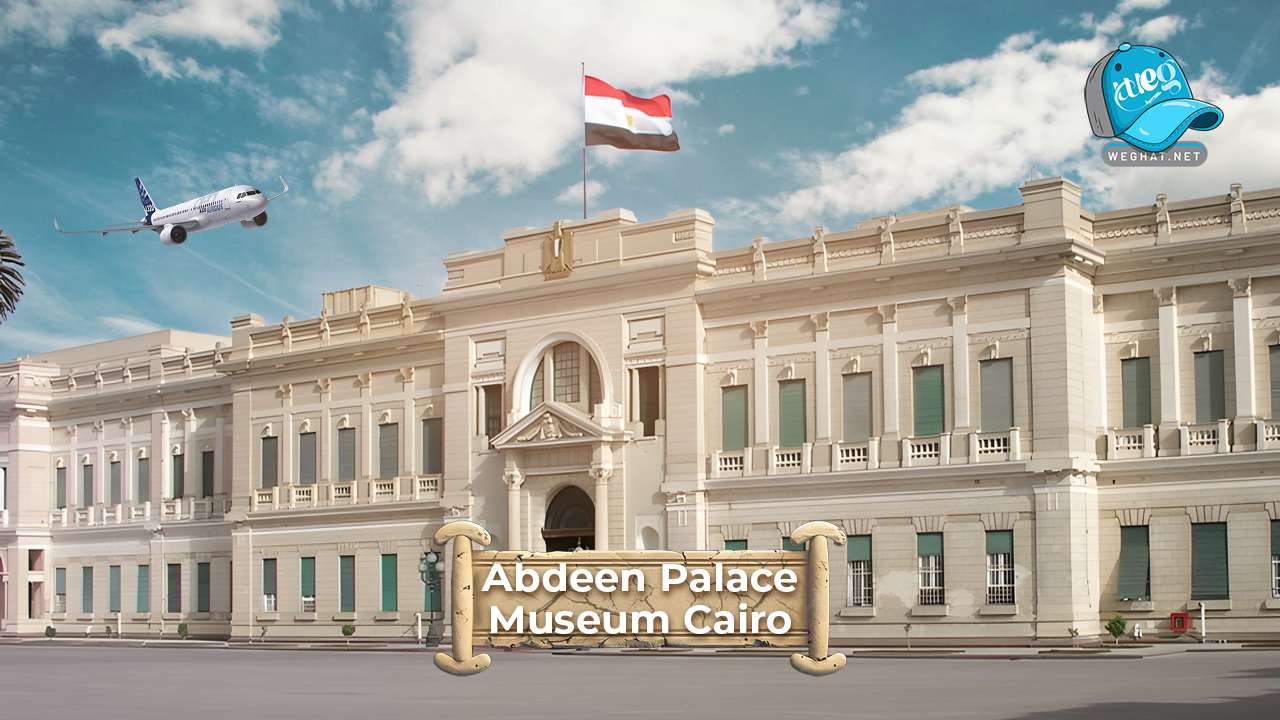
Table of contents
History of Abdeen Palace
Abdeen Palace was built by order of Khedive Ismail, who aspired to transform Cairo into a modern city worthy of its status as a major capital. Construction of the palace began in 1863 and was completed in 1874. The purpose of building the palace was to serve as the official residence of the monarchy and a venue for hosting official guests and holding government meetings.
It was named “Abdeen” after Abdeen Bey, a military leader under Muhammad Ali Pasha, who owned the land on which the palace was built before it was purchased for this royal structure.
The palace was constructed on a vast area of 24 acres and contains over 500 rooms, along with several grand halls, reception areas, and expansive gardens. Italian and French architects designed the palace, giving it a distinct European character, while Egyptian architects added oriental touches, creating a remarkable blend of Eastern and Western architectural art.
Architecture of Abdeen Palace
Abdeen Palace is an architectural masterpiece that combines classical European style with Eastern touches. The palace’s exterior design is based on symmetry and precision in space distribution, while the interior decor is distinguished by its luxury and intricate details.
Exterior Design
The palace’s exterior design combines Baroque and Rococo styles, two European architectural styles known for their elaborate and ornate details. Luxurious marble and decorated stones were used in the construction of the palace’s facades, with balconies adorned with artistic carvings that add beauty and elegance.
Interior Decor
The palace’s interior decor reflects royal opulence. The walls and ceilings are adorned with magnificent artwork, while the floors are made of luxurious marble and mosaic stones.
Additionally, the rooms are furnished with exquisite pieces made of gold and gilded wood, and chairs and sofas are upholstered in silk and velvet. The grand halls feature enormous chandeliers made of Bohemian and French crystal, adding even more brilliance and beauty to the palace.
Grand Halls
The palace contains several lavish halls designed for receiving official guests and hosting government meetings. Among the most notable are:
- The Royal Library: The Royal Library houses a rare collection of books and manuscripts and was used as a reference by the kings and members of the royal family.
- The Throne Hall: This is the main hall of the palace, used to receive ambassadors and distinguished guests. It is richly decorated with gold, and contains an ornate royal throne.
- The Banquet Hall: This hall was used for royal parties and official events. It is spacious in design and can accommodate a large number of guests.
- The Hall of Mirrors: As its name suggests, this hall contains large mirrors that reflect light and create a more expansive and luxurious ambiance. It is often used for private royal celebrations.
The Role of Abdeen Palace in Egyptian Politics
Throughout the ages, Abdeen Palace has been a witness to many significant events in Egypt’s history. It served as the royal seat of government from the reign of Khedive Ismail until the end of the Egyptian monarchy in 1952. Within this framework, the palace hosted numerous important political meetings and decisions that shaped the course of Egyptian history.
Key Historical Events
The palace was at the center of several major political events, including:
The Urabi Revolution
In 1882, Abdeen Palace was the site of a historic confrontation between the nationalist leader Ahmed Urabi and Khedive Tawfiq. Urabi demanded constitutional reforms and an end to foreign interference in Egypt’s affairs. His forces stood before the palace, turning it into the stage for one of the most significant events in modern Egyptian history.
The Revolution of 1952
On the night of July 23, 1952, the Free Officers Movement, led by General Muhammad Naguib and Gamal Abdel Nasser, overthrew the monarchy. Abdeen Palace served as the venue where the end of the monarchy in Egypt was declared. After the revolution, King Farouk I left Egypt, and the palace briefly became a headquarters for the new republican government.
In Modern Politics
Following the 1952 revolution, Abdeen Palace ceased to be the official residence for the presidents of the republic, but it is still used for official purposes, such as hosting formal meetings, receiving international delegations, and welcoming foreign heads of state.
Abdeen Palace Museum
In 1983, parts of Abdeen Palace were converted into a historical museum that displays a collection of rare royal artifacts from various periods of Egypt’s monarchy. The museum offers visitors a chance to explore Egypt’s royal heritage and learn more about the lives and histories of its kings.
Museum Collection
The museum contains a unique collection of artifacts, including:
- Historical Weapons: The museum exhibits a variety of weapons used in different eras, including swords, shields, and rifles. It also houses royal gifts from foreign countries that were presented to Egyptian kings.
- Royal Artifacts: The museum holds a collection of royal artifacts such as jewelry and crowns worn by the royal family, along with decorative and artistic items that reflect the opulence of that era.
- Royal Furniture: Some original pieces of furniture from the palace are displayed, including the royal throne and luxurious chairs.
Document Museum
In addition to the artifacts, Abdeen Palace houses a document museum that displays a collection of important historical documents detailing the periods of royal rule in Egypt. These documents include royal correspondences and official letters, as well as a selection of newspapers and magazines chronicling major historical events.
The Palace Today
Nearly 150 years after its construction, Abdeen Palace remains a symbol of Egyptian history and an integral part of national identity. Today, the palace is an important tourist and cultural destination, welcoming visitors from around the world who come to explore Egypt’s royal history and admire the beauty of its royal architecture.
Tourist Tours
Abdeen Palace opens its doors to the public for guided tours of the halls and museum. These tours allow visitors to explore the palace’s history and view its royal artifacts. Additionally, the palace provides historical information about Egypt’s periods of monarchy.
Cultural Events
The palace is also used today to host various cultural and artistic events. Art exhibitions are organized within the palace’s grand halls, enhancing its cultural value and making it a center for reviving Egypt’s royal heritage.
Conclusion
Abdeen Palace is one of Egypt’s most prominent historical landmarks and one of the finest royal palaces that has witnessed eras of political and cultural transformation.
The palace reflects royal elegance and luxury in its design and architecture, standing as a testament to an important era in Egypt’s history. After its conversion into a museum, visitors today can explore this era and view Egypt’s royal heritage through its rare artifacts and historical exhibits.
Now that you’ve learned the key information about Abdeen Palace in Cairo, you can explore more tourist places in Cairo.
You can also check out the most famous tourist places in Egypt.
To visit our official Facebook page.
FAQ about the Abdeen Palace in Cairo
What can you see inside Abdeen Palace Museum?
The museum complex includes royal artifacts, historic documents, ceremonial halls, weapons collections, and gifts presented to Egyptian rulers.
Is Abdeen Palace open to the public?
Yes, The palace’s museum wings are open to visitors, while the presidential and official sections stay closed. You explore the museum complex, not the working government areas.
What time does Abdeen Palace open?
he museum generally opens in the morning, around 9 AM, with a few weekly closures. Hours can shift during holidays and Ramadan, so confirm the day’s schedule before visiting.
Who lived in Abdeen Palace?
It was the official home of Egypt’s royal family, starting with Khedive Ismail who built it, and used by the kings who followed until the monarchy ended in 1952.
Is Abdeen Palace worth visiting?
If you’re interested in Egypt’s modern and royal history — not just ancient sites — yes, It’s one of the few places that shows the monarchy era and its lavish lifestyle up close.
Can you take photos inside Abdeen Palace?
Photography is usually allowed in the museum areas, sometimes for a small additional ticket, though some galleries may restrict it.
What is the entrance fee for Abdeen Palace Museum in 2026
That tickets cost around EGP 30 for Egyptians and Arabs and EGP 100 for foreign visitors. Student tickets are usually discounted to EGP 10 for Egyptians and EGP 25 for international students, although prices may change during special exhibitions.