Sarajevo City: 8 Must-See Stops in Bosnia’s Capital
Sarajevo is the capital of Bosnia and Herzegovina and a city shaped by major historical events, World War I, World War II, and the Bosnian War of the 1990s, Today it welcomes visitors with eight standout landmarks: the 15th-century Old Bazaar, the Tunnel of Hope, the Latin Bridge, the Gazi Husrev-beg Mosque, Mount Trebević, the National Library, Safić Zajko Park, and Igman Mountain Park.
Is Sarajevo worth visiting? Yes, especially if you care about how history is layered into a city. As the capital of Bosnia and Herzegovina, Sarajevo holds the Old Bazaar, the Tunnel of Hope museum, the Latin Bridge of 1914, Gazi Husrev-beg Mosque, and Olympic-era mountains like Trebević and Igman.


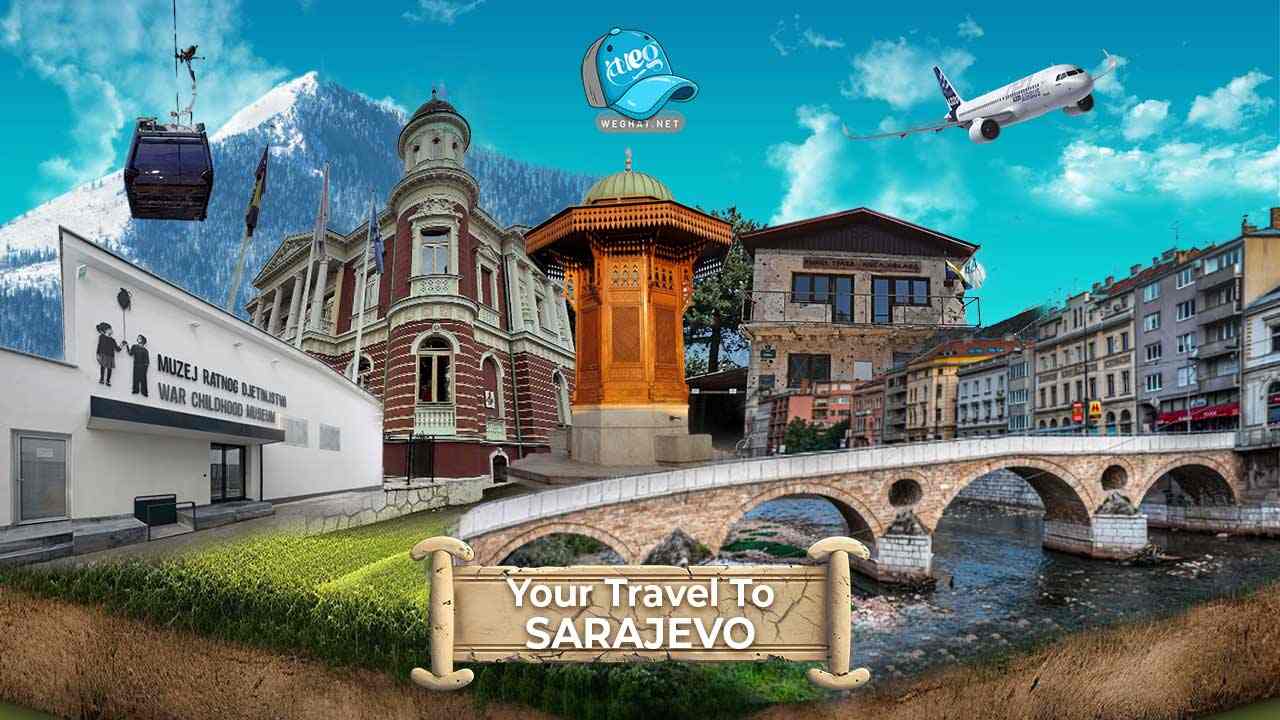
Table of Contents
The Old Bazaar
When you visit Sarajevo, the Old Bazaar is the perfect starting point to explore the city’s spirit. Located in the heart of the old town, it is a commercial and cultural center dating back to the 15th century. The bazaar was built during the reign of Ottoman Sultan Mahmud II as a meeting point for merchants from across the Ottoman Empire.
The bazaar is characterized by its narrow, cobbled streets and small shops selling handicrafts, clothing, and jewelry. One of the most prominent landmarks in the Old Bazaar is the Sebilj Fountain, a wooden structure built in the 18th century, which has become a symbol of the city. The fountain is not only a tourist site but also a popular meeting place for both locals and tourists.
The Tunnel of Hope
The Tunnel of Hope is one of the most intriguing landmarks in Sarajevo, directly linked to the Bosnian War period. It was built during the Siege of Sarajevo (1992-1995) as a way to provide an escape route and supply weapons, food, and medicine to the besieged city. The tunnel stretches approximately 800 meters beneath Sarajevo Airport and served as a lifeline for the city’s residents during the years of siege.
Today, the tunnel has been turned into a museum, offering visitors a poignant experience to learn about the suffering of the Bosnian people during the war. The museum displays photos, documentaries, and artifacts that reflect the life of people during the siege, and visitors have the opportunity to walk through a part of the tunnel to experience a glimpse of those difficult conditions.
Latin Bridge
The Latin Bridge is an important historical site in Sarajevo, as it was the location where Archduke Franz Ferdinand of Austria was assassinated in 1914, an event that ignited World War I. The bridge spans over the Miljacka River and is one of the oldest bridges in the city, dating back to the Ottoman period.
Today, the bridge is a popular tourist attraction, not only due to its historical significance but also for its beautiful location overlooking the river and its peaceful atmosphere.
Gazi Husrev-beg Mosque
The Gazi Husrev-beg Mosque is one of the most significant Islamic landmarks in Sarajevo and the largest Ottoman mosque in Bosnia and Herzegovina. Built in the 16th century during the Ottoman period, the mosque was designed by the famous architect Sinan.
The mosque is an architectural masterpiece, featuring meticulously detailed interior and exterior designs, with beautiful Islamic decorations and a grand central dome. Next to the mosque, there is a historical religious school and an old library that houses many rare manuscripts.
Mount Trebević
Mount Trebević is a popular natural spot for both locals and visitors, offering stunning views of Sarajevo and its surroundings. The mountain can be reached by a modern cable car, which has revitalized one of the city’s most famous landmarks that was closed for a long period after the war.
Mount Trebević offers numerous activities such as hiking and cycling, in addition to being a perfect place for nature lovers seeking tranquility. During the winter, the mountain transforms into a great destination for skiing enthusiasts.
National Library
The National Library is one of the most famous landmarks in Sarajevo, representing the convergence of cultures and civilizations in Bosnia and Herzegovina. Built in the late 19th century in the Moorish style, which reflects Islamic and Andalusian influences, the building was originally a town hall before becoming the National Library.
The building was destroyed during the Siege of Sarajevo in the Bosnian War in 1992, but it was fully restored and reopened as both a National Library and a museum. The library is distinguished by its unique beauty, with intricate geometric decorations and a facade adorned with remarkable artistic carvings.
Inside the building, visitors can explore halls filled with history and rare books. The National Library is a place that not only reflects the beauty of its architecture but also tells the story of Bosnia’s cultural and historical recovery after years of war.
Safić Zajko Park
Safić Zajko Park is one of the most prominent modern green spaces in the city. The park was opened in honor of a man named Safić Zajko and features contemporary design and a variety of facilities. It offers expansive areas for walking and relaxation, playgrounds for children, and various sports amenities, including jogging tracks and a football field.
The park also has a small lake filled with birds, as well as designated areas for cycling, making it an ideal destination for families and sports enthusiasts. It is a favorite spot for enjoying nature within the city and experiencing a peaceful and comfortable atmosphere.
Igman Mountain Park
Igman Mountain is one of the most famous mountain destinations in Bosnia and Herzegovina, offering a perfect location for adventure seekers and outdoor activities. Situated near Sarajevo, Igman was one of the main sites for the 1984 Winter Olympics.
In winter, the mountain transforms into a popular ski resort that attracts visitors from around the world. During the summer, it is a great spot for hiking, mountain biking, and exploring the pristine natural surroundings.
Conclusion
Bosnia and Herzegovina is a remarkable tourist destination that combines stunning nature with a rich cultural heritage. From its forest-covered mountains to its roaring waterfalls, and from its historical cities that preserve the scent of the past to its traditional markets that reflect the spirit of the people.
Sarajevo is one of the most beautiful European cities, blending ancient history with breathtaking nature, where Western and Eastern cultures meet. Sarajevo offers unique historical landmarks, unparalleled natural beauty, and an atmosphere of coexistence among diverse cultures. In Bosnia and Herzegovina, you will find a travel experience that offers a perfect balance of relaxation and exploration.
Now that you’ve learned the key information about Sarajevo in Bosnia and Herzegovina, you can explore more tourist places in Bosnia and Herzegovina.
To visit our official Facebook page.
Frequently Asked Questions
Why is Sarajevo historically important?
It witnessed major events of the 20th century World War I, World War II, and the Bosnian War of the 1990s and was rebuilt afterward into a distinguished tourist destination.
What is the Old Bazaar in Sarajevo?
It’s a 15th-century commercial and cultural center built under Ottoman Sultan Mahmud II, with narrow cobbled streets, small shops, and the 18th-century Sebilj Fountain that became a symbol of the city.
What is the Tunnel of Hope?
A roughly 800-meter tunnel built beneath Sarajevo Airport during the Siege of Sarajevo (1992–1995) to bring food, medicine, and weapons into the city.
How do you get to Mount Trebević?
By the modern cable car, which reopened a landmark that had been closed for a long period after the war.
Is Safić Zajko Park worth visiting?
Yes if you want green space in the city, it has walking and jogging tracks, a small lake with birds, a football field, children’s playgrounds, and cycling areas.
What happened to the National Library?
It was destroyed during the Siege of Sarajevo in 1992 and later fully restored, It was built in the late 19th century in Moorish style and originally served as a town hall.