Bijambare Cave in Bosnia and Herzegovina: A Nature Guide
Bijambare Cave was discovered in 1896 and has been welcoming organized visitors since 1954, making it one of Bosnia and Herzegovina’s longest-running natural tourism sites, the system spans approximately 1,500 meters, with its entrance at roughly 1,000 meters altitude, and sits within the 250-hectare Bijambare Natural Park 35 kilometers northeast of Sarajevo.
Geologically, it formed through millions of years of limestone erosion, producing the stalactites, stalagmites, and mineral formations, ranging from deep red to bright white, that visitors see during 30-to-45-minute guided tours, with the Great Hall as the showpiece chamber, Archaeologically and ecologically, it holds equal significance: early human artifacts have been found inside, and endemic bat species and microorganisms use the cave as a habitat found nowhere else in the world.


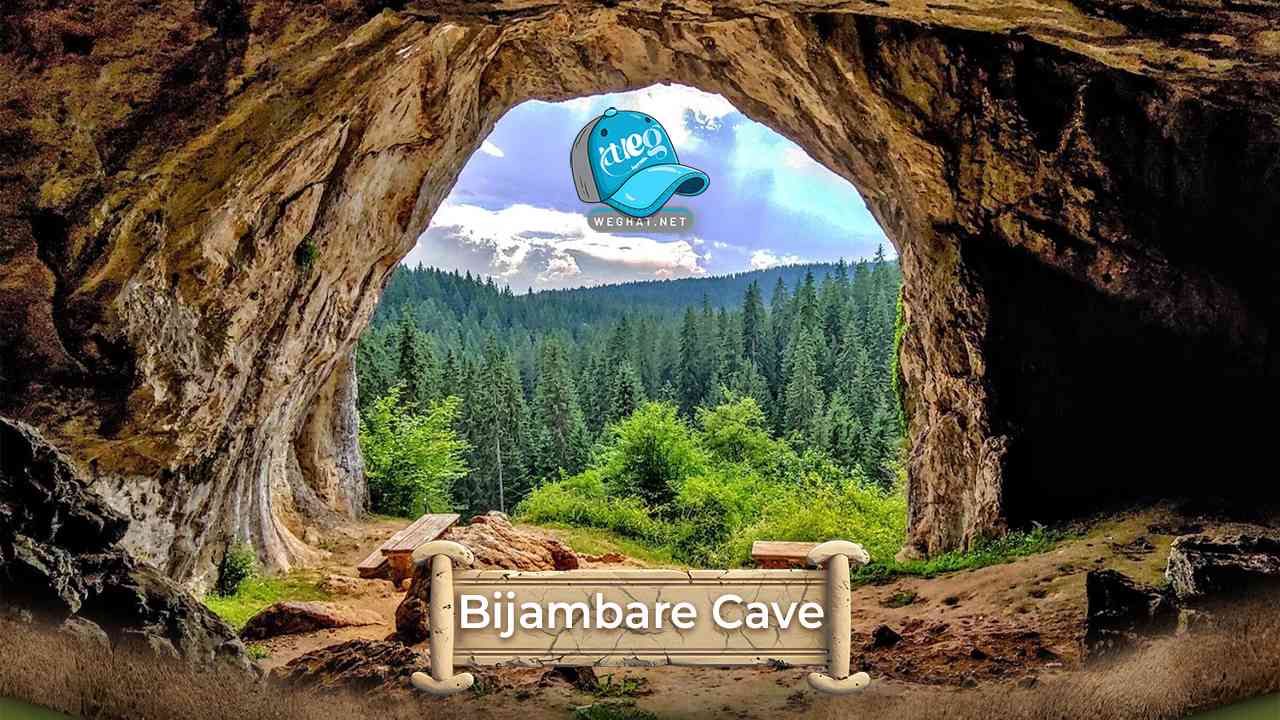
Table of Contents
Historical Overview
Bijambare cave was discovered in 1896 by a local farmer named Fadil Merdanović, who found the entrance while exploring the area. However, serious scientific research and exploration of the cave did not begin until the 1950s. In 1954, the cave was officially opened to the public, and since then, it has become one of the most visited natural landmarks in Bosnia and Herzegovina.
The cave holds historical significance beyond its geological features. It was an important site for archaeologists, with discoveries indicating that early humans used the cave as a shelter. Tools and artifacts found inside the cave offer a glimpse into the lives and cultures of the region’s earliest inhabitants.
Geological Significance
The Bijambare cave system was formed through the processes of erosion and dissolution of limestone. This process, which began millions of years ago, resulted in a network of chambers and corridors filled with stunning geological formations. The cave is approximately 1500 meters long, though only part of it is open to the public.
The cave entrance is located at an altitude of about 1000 meters, making it accessible to visitors and providing a cool atmosphere during the hot summer months. The formations inside the cave are primarily made up of stalactites hanging from the ceiling and stalagmites rising from the ground.
Over time, these formations can grow to impressive sizes, creating a magical atmosphere that captivates visitors. The cave also contains various mineral deposits, adding to its beauty, with colors ranging from deep red to bright white.
Biodiversity
Bijambare cave is a geological marvel and also home to a variety of unique ecosystems. The dark and humid environment of the cave supports a range of life forms, including several species of bats that use the cave as a roosting site.
These bats play a vital role in the local ecosystem by helping control insect populations. In addition to bats, different species of microorganisms and fungi thrive in the cave’s unique environment.
Some of these species are endemic to the region, meaning they are found nowhere else in the world. This biodiversity highlights the importance of Bijambare cave as a site for environmental preservation and ecological study.
Visiting Bijambare Cave
Bijambare cave is part of the Bijambare Natural Park, which spans about 250 hectares and features dense forests, hiking trails, and picnic areas. The park offers visitors the chance to explore the surrounding natural beauty, with opportunities for recreational activities such as walking, cycling, and bird watching.
Guided Tours
The cave is open to visitors year-round, with guided tours available to enhance the experience. These tours typically last around 30 to 45 minutes and take visitors through the most accessible parts of the cave. Expert guides provide information on the history of the cave, its geological features, and its biodiversity, making the visit both educational and enjoyable.
Visitors can see stunning formations, such as the Great Hall, which features an impressive collection of stalactites and stalagmites. The cave’s lighting enhances these formations, creating a magical atmosphere that captivates everyone who enters.
Access to the Cave
Bijambare cave is easily accessible by car, with parking facilities available near the cave. The surrounding area is well-maintained, making it easy for families and individuals of all ages to visit. The park also offers designated walking trails and picnic areas, providing ample opportunities to relax and enjoy the natural surroundings.
Environmental Conservation Efforts
Given the environmental and geological significance of Bijambare cave, local authorities and environmental organizations are actively involved in efforts to protect the site. These efforts include monitoring the impact of visitors, conducting scientific research, and promoting environmentally friendly tourism practices.
Educational and awareness campaigns are also crucial in preserving the cave’s unique environment. Visitors are encouraged to follow guidelines to minimize their impact on the cave and the surrounding ecosystems, ensuring that this natural wonder remains intact for future generations to enjoy.
Nearby Attractions
In addition to the cave itself, Bijambare Natural Park offers several other attractions that enhance the visitor experience. Visitors can explore nearby hiking trails that wind through beautiful forests, offering breathtaking views of the surrounding landscape. The area is rich in plant and animal life, making it an ideal spot for nature lovers and photographers.
One nearby fascinating location is the picturesque village of Srdni, which offers a glimpse into traditional life in Bosnia and Herzegovina. Visitors can also enjoy local cuisine at nearby restaurants, where they can taste traditional dishes made from fresh, locally sourced ingredients.
Recreational Activities
The Bijambare area offers many other recreational activities. Mountain biking is a popular activity, allowing visitors to explore the breathtaking scenery on their bikes. Hiking enthusiasts can also enjoy a variety of trails suitable for all levels, ranging from easy paths for families to more challenging routes for adventurers.
There are also designated picnic areas where families can enjoy quality time together. The park is equipped with seating facilities and barbecue areas, making it perfect for a full-day picnic in nature.
Conclusion
Bijambare cave is a captivating destination showcasing the natural beauty and geological wonders of Bosnia and Herzegovina. With its stunning formations, rich biodiversity, and historical significance, it offers visitors a unique opportunity to explore the underground world shaped by nature over millions of years.
Whether you’re an adventurer seeking new experiences or a nature lover in search of tranquility, Bijambare cave and its surrounding park provide a peaceful escape into the heart of Bosnian wilderness. As awareness of this hidden gem grows, Bijambare cave remains a testament to the importance of preserving natural heritage for future generations to explore and enjoy.
Now that you’ve learned the key information about Bijambare cave in Bosnia and Herzegovina, you can explore more tourist places in Bosnia and Herzegovina.
To visit our official Facebook page.
Frequently Asked Questions
Where is Bijambare Cave?
35 kilometers northeast of Sarajevo in Bosnia and Herzegovina, at around 1,000 meters altitude.
Who discovered Bijambare Cave?
Local farmer Fadil Merdanović found the entrance in 1896, Scientific research didn’t begin until the 1950s, and the cave opened to the public in 1954.
How long is the guided tour?
30 to 45 minutes, expert guides lead visitors through the most accessible sections, covering the cave’s geology, history, and biodiversity, including the Great Hall.
What animals live in Bijambare Cave?
Several bat species roost inside, along with microorganisms and fungi, some of these species are endemic, found nowhere else in the world, making the cave an important conservation site.
Are there attractions near Bijambare Cave?
Yes, visitors can combine their cave visit with nearby attractions and outdoor activities in the surrounding area.